

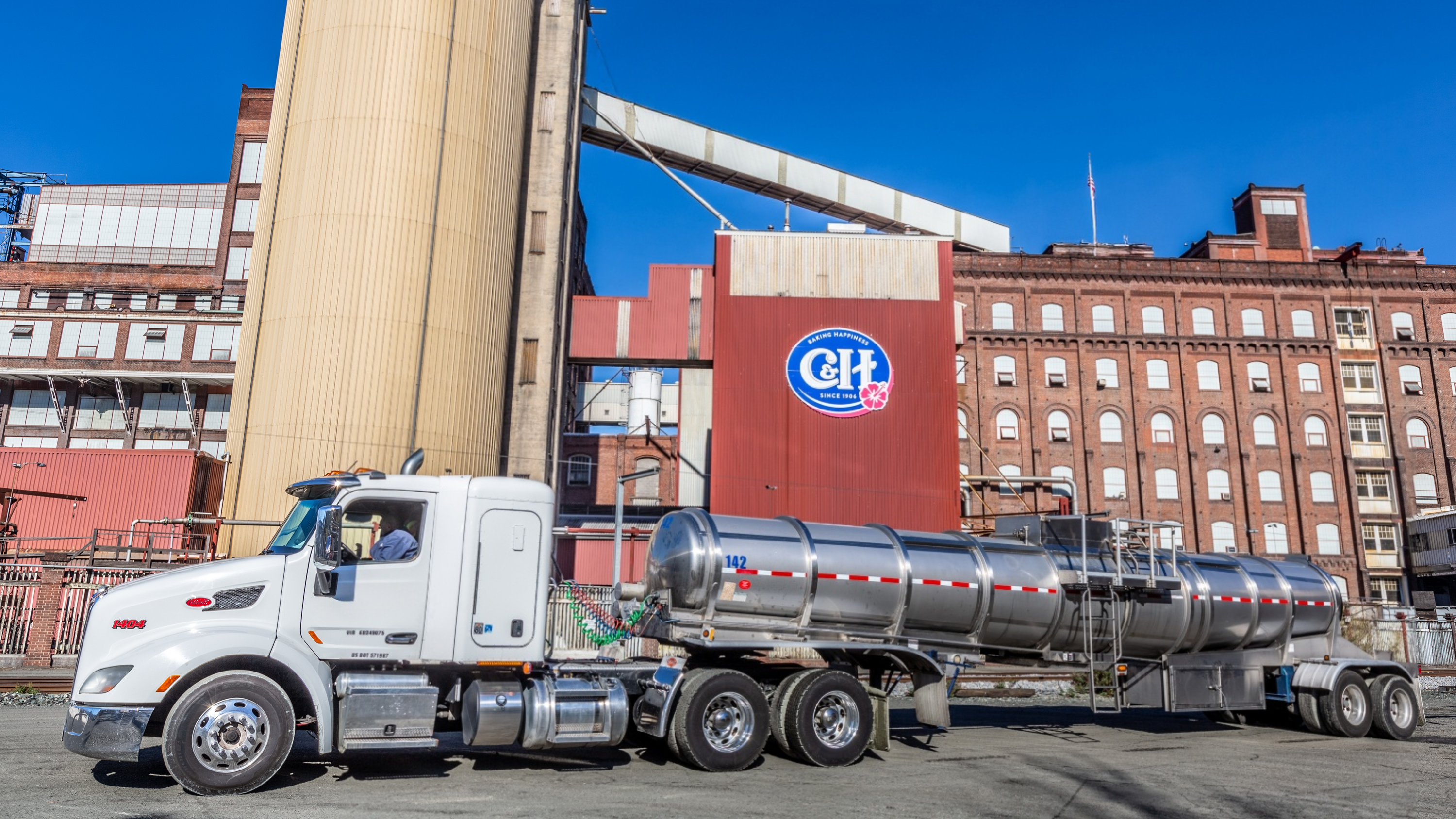
For nearly 120 years, the C&H Sugar refinery in Crockett, California has been more than a manufacturing facility. It has been a cornerstone of Bay Area economic life, a source of stable, well-paying jobs, and a business that has earned strong community support for generations. We share genuine pride in that history. It is precisely because of that pride, and our commitment to the people and communities we serve, that we feel compelled to set the record straight about what is at stake for our employees and the long-term future of our refinery.
Sugar refining is not an easy business. Our industry operates in an intensely competitive environment influenced by long-term flat pricing, flat demand in recent years, rising raw material and energy costs, and increasing state regulatory requirements. These are the day-to-day realities that every business and employer in this industry must navigate.
The pressures are real and growing. California recently witnessed the closure of its last sugar beet processing plant, and other sugar facilities across the country continue to consolidate or shut down. Entire states, including Hawaii and Texas, have lost their sugar industries and the jobs and economic activity they generated. Since 2000, more than 40% of U.S. sugar mills, refineries and sugar beet factories have shuttered. These closures serve as a clear reminder that no producer, regardless of its history or reputation, is immune to the forces influencing this industry. The long-term viability of our Crockett refinery depends on our ability to operate efficiently and sustainably, not as a matter of corporate preference, but as a matter of survival.
Even against this challenging backdrop, C&H Sugar has continued to invest in our workforce. We provide some of the best-paying manufacturing jobs in the region and our employees receive excellent benefits.
We approached these contract negotiations with the ILWU in good faith, with a genuine desire to reach an agreement that works for our employees and supports the long-term viability of the refinery. We believe those two goals are inseparable. A sugar refinery that cannot run efficiently cannot provide jobs, benefits or community investments.
The contract we proposed reflects that belief. We offered ILWU members a 2% percent signing bonus, a 4% percent wage increase in the first year, and a 20% cumulative wage increase over the five-year term of the agreement. We also retained a total of 56 hours of sick time and maintained overtime pay, requiring it to be earned after 40 hours in a week rather than after 8 hours in a day to help reduce chronic absenteeism – a significant problem that negatively impacts production and our ability to service customers efficiently.
We successfully negotiated with our Sugar Workers Union employees, representing approximately 275 of the roughly 365 union employees at the refinery. The SWU approved a comparable contract last summer. Those employees continue to report to work, and we are grateful for their professionalism and their recognition that a strong agreement and a sustainable operation go hand in hand.
The approximately 90 ILWU members who are the subject of this dispute represent an important part of our workforce. We value them. We wanted to reach an agreement with them. But, negotiating requires two active parties. Over the course of many negotiating sessions, we engaged in good faith, presented our proposals clearly and waited for a substantive counterproposal that addressed absenteeism and workplace efficiencies. None came. When another scheduled negotiating session was set, the union chose not to participate, and instead, its members walked off the job on June 15. We did not lock them out, and we look forward to welcoming them back.
We respect our workers’ right to strike. However, we cannot condone actions taken by certain members that are unsafe, disruptive and harmful.
Since the strike began, some union members have attempted to block employees and contractors from entering our facility to perform their work and earn their pay. ILWU members have sought to prevent the movement of trucks bringing raw material to the refinery and those carrying our products to customers who depend on them. They have jumped onto moving vehicles, slashed tires, cut off trucks on the highway, damaged tractor trailers coming to our plant, and attempted to block a bulk cargo ship from docking at our refinery using a small fishing boat. These actions are reckless and unsafe and do not just affect our business; they affect every downstream business, every independent contractors’ right to work and every customer who depends on us to fulfill their orders. They affect independent drivers trying to earn a living and get home safely to their families, drivers who don’t deserve to contend with anyone jeopardizing their safety.
Also troubling are the false attacks on the quality and safety of our product. When our operations required us to receive a shipment of raw sugar at a different marine terminal, a standard logistics arrangement used throughout the global sugar industry, the union characterized this as a public health concern. Making false claims about product safety is not a legitimate negotiating tactic; it creates unnecessary fear, undermines public confidence in our products, harms our customers, and causes lasting damage to our brand.
We remain committed to a constructive dialogue and reaching a fair agreement with the ILWU local 6. A true partnership, the kind that has sustained this refinery and the families it supports for more than a century, requires honestly confronting our challenges together.
Hitesh Modgil
General Manager
C&H Sugar Refinery